Sherman, TX · Garage Door Service
Pecan Grove's shaded, mature lots hold 1970s-90s ranch homes where damp and ground settling wear doors. We check track, grade, and springs across Sherman.
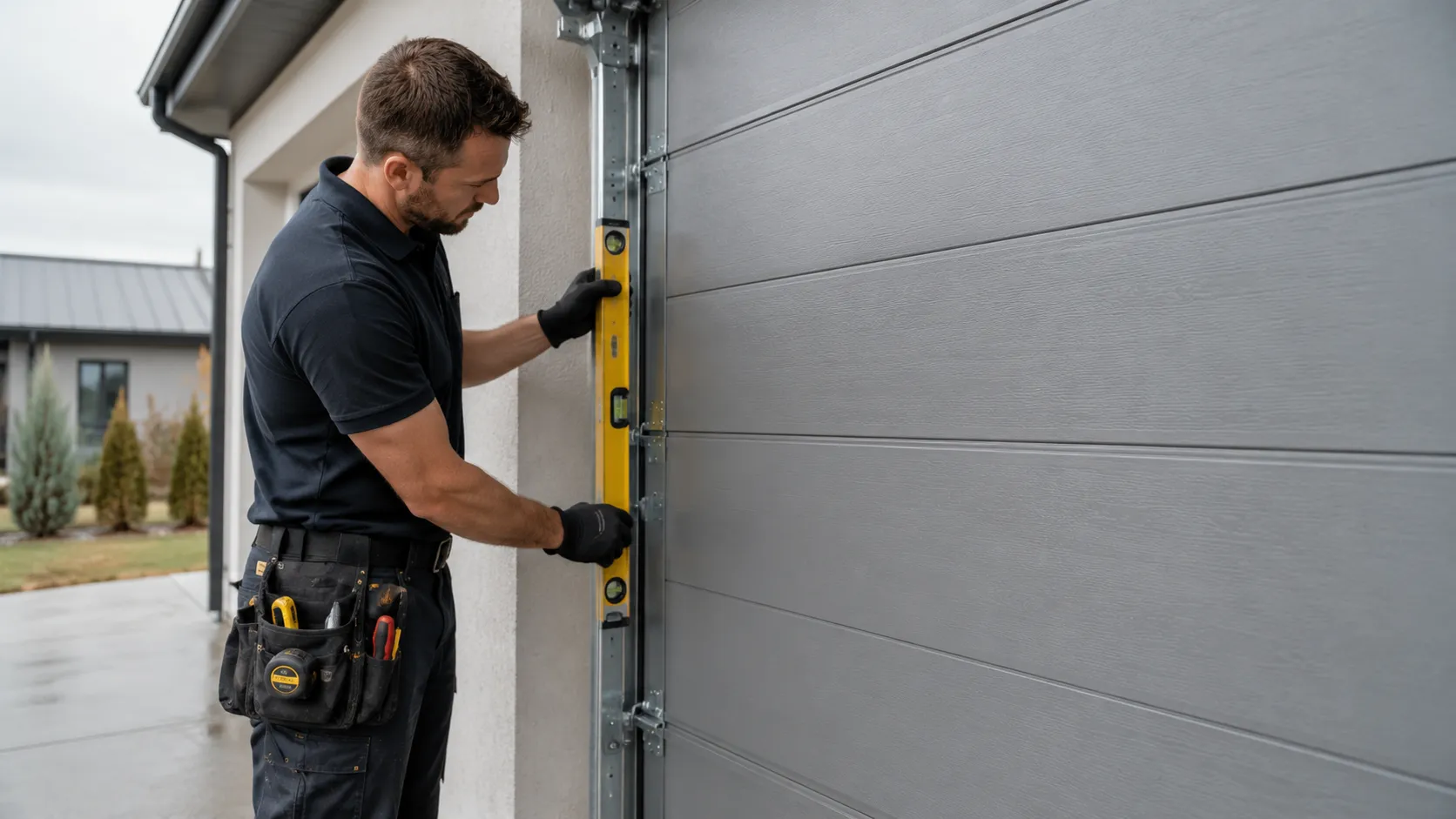
Pecan Grove is one of Sherman's established residential areas, a neighborhood of mid-century ranch homes on larger, tree-shaded lots near Pecan Grove West Park and Dean Gilbert Lake. The housing runs a wider span than a single-decade subdivision - a mix of homes from the 1970s through the 90s, straddling the 1984 median for our service area with plenty on the older side of it. What sets the neighborhood apart isn't just the age of the houses but the lots they sit on. Mature trees, deep setbacks, and decades of settling change how a garage door behaves in ways a newer, flatter subdivision doesn't deal with. These were mostly built as single-story ranches with an attached two-car garage, and the doors have had thirty to fifty years of use. A lot of them are still on hardware close to original, and because the neighborhood filled in over a couple of decades rather than all at once, we see a real spread of door and opener ages here - a 70s chain drive on one street and a 90s upgrade on the next, sometimes retrofitted more than once in between.
The trees and the grade are what make Pecan Grove distinct for door work. Big canopies keep garages shaded and damp, and steady moisture is hard on the bottom of a steel door - rust shows up along the lower panel and at the cable drums more here than on doors backed up to open, sunny lots. Decades of root growth and ground settling can shift a driveway slab or the garage slab a fraction, and a track that was plumb when the house was new can end up slightly out of alignment, which makes a door bind or a roller jump long before anything has actually broken. We check for that on these older lots because homeowners often assume a binding door means a bad spring when it's really a track that moved with the ground under it. The cold-moderate winters add the usual freeze-thaw stiffening to old grease and cables. Cable fraying and worn steel rollers are common calls, both tied to the age of the hardware and the damp - and both cheaper to fix caught early than after a cable snaps under load.
Here's the straight version on repair versus replacement in a neighborhood this age. A ranch home's original door from the 70s or 80s is often worth keeping - these were built plain and durable, and a spring, cable, or roller job usually gets years more out of it for far less than a full replacement. We won't tell you otherwise just because the door is old. Where it tips the other way is moisture damage: once rust has eaten through the bottom of a panel or a section has warped, patching stops making sense and a new door is the honest call. We'll show you which situation you're in rather than guess. The same goes for openers - a worn gear or a misaligned sensor is a small fix, but a board that's failed on a unit nobody stocks parts for anymore usually means replacement. On the larger lots out here we'd rather get the diagnosis right the first time than come back twice, so call us and we'll look at the door, the track, and the grade before quoting anything.
On Pecan Grove's older, tree-shaded lots, decades of root growth and ground settling can shift a slab and pull a track slightly out of alignment. That makes a door bind or a roller jump before any part actually fails. We check track alignment, not just the spring, on homes this age.
It can be. Mature tree cover keeps these garages shaded and damp, and steady moisture rusts the lower panel and cable drums over time. Caught early it's a cleanup and a part; once rust eats through a panel, replacement usually makes more sense than a patch.
It's a mix, mostly 1970s through 90s ranch homes, straddling the 1984 median for our service area with plenty on the older side. Because the neighborhood filled in over a couple of decades, door and opener ages vary a lot from street to street.
Call now or request a free quote - same-day service on most repairs, upfront written pricing.