Sherman, TX · Garage Door Service
Sherman's housing stock runs 1967-2005, mostly 1980s-90s builds. Here's how to tell if your original door and hardware are worth repairing or past the point.
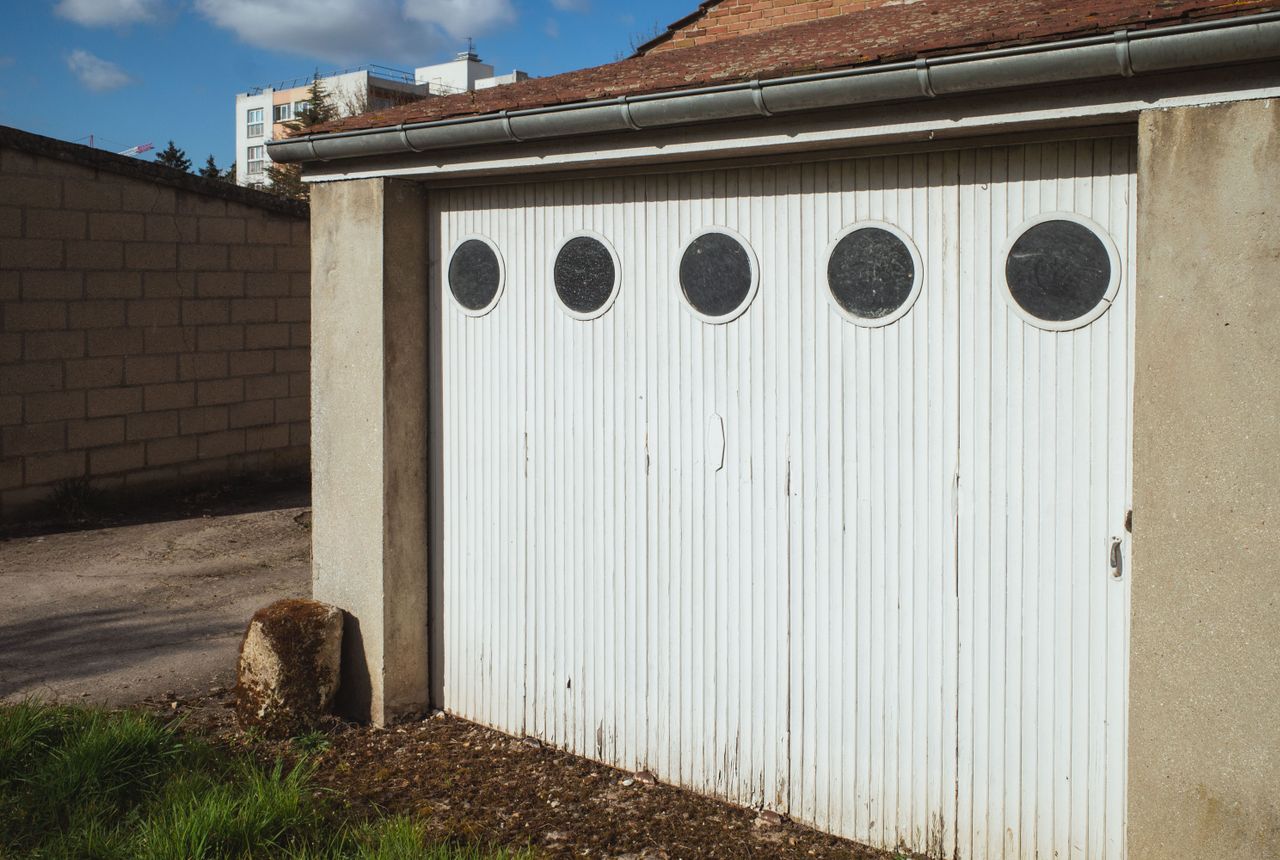
Most of the housing around Sherman went up between 1967 and 2005, with the bulk of it dating to the 1980s and 90s across the fourteen or so named areas we work in. That means a lot of doors still running original torsion springs, steel tracks, and openers that were installed when the house was framed. A door from that era isn't automatically junk. If the panels are straight, the track is true, and the spring just finally gave out after thirty-plus years of cycles, replacing the spring and rollers is a real fix, not a stopgap.
Where it stops being something you tackle yourself is anything involving the torsion spring under tension, or a door that's started binding in the track from age-warped jambs. That's not a YouTube job on a door this old - the hardware sizing from a 1984-built house doesn't match what's sold off the shelf today, and guessing wrong with a spring under load is how people get hurt. If you're not sure whether it's a ten-minute roller swap or a full spring job, that's worth a call before you start pulling panels.
Sherman sits in a cold-moderate climate band, which means the door and its hardware go through a real freeze-thaw cycle every winter, not just a couple of cold snaps. On a door installed in the 80s or 90s, that decades-long cycling is exactly what wears out the galvanized coating on springs and lets rust start at the coil ends - the failure point we see most on original hardware.
Spring and fall are when the give shows up. A door that opened fine all summer starts groaning or sticking as the metal contracts, and that's usually the tension finally catching up with a spring that's been degrading for years, not a sudden problem. If your door is original to a house built in that 1967-2005 window and it's starting to act different with the weather, that's the hardware telling you where it's at in its life, not something to ignore until it snaps.
When a door built during that 1980s-90s wave starts giving you trouble, it's almost always one of a few things: the torsion spring is past its cycle count, the rollers have worn oval instead of round, or the track brackets have loosened from decades of the door's own weight pulling on them. None of that means the door itself is bad. Steel panels from that era were built heavier than a lot of what's sold now, and if the panels aren't dented or rusted through, they can outlast two or three sets of hardware.
What we won't do is tell you to replace a sound door because it's old. We will tell you when the repair cost starts running close to what a new door costs - usually once you're replacing the opener, the track, and the spring all at the same visit. At that point it's your call, but we'll lay out the number so you're deciding with real information, not a guess.
The cold-moderate swings here are hard on anything with exposed metal and a moving joint. Panel seams on an older steel door are where you'll see it first - condensation forms as temperatures drop overnight, and on a door that's thirty or forty years old, that's enough moisture cycling to start surface rust at the bottom panel and the hinge points, even if the door's never seen standing water.
Openers from the same era weren't built with today's cold-start torque adjustments, so on the coldest mornings an old motor can strain against a track that's stiffened up slightly with the temperature drop. That's usually a lubrication and adjustment fix, not a motor replacement, if you catch it before the gears start stripping. A door and opener that have made it this many winters already are proof the build was solid - the weather here just means the maintenance schedule matters more than it would somewhere with a milder swing.
Not necessarily. Age alone doesn't retire a door - condition does. If the panels are straight and the track is true, a spring or roller job on an original 1980s door is often a fine repair. We'll tell you honestly if the cost of fixing it starts approaching what a new door runs.
Sherman's cold-moderate climate puts real freeze-thaw stress on aging spring coils and steel panels. A door that's fine all summer can start binding or groaning once temperatures swing, especially if the hardware is original to a house built decades ago.
Yes, we cover the surrounding towns as well, including Southmayd, Howe, Denison, Pottsboro, and the other communities within a roughly 20-mile radius of Sherman.
Sometimes. If a visit turns into replacing the spring, track, and opener all at once, we'll give you the repair total next to a new door quote so you can compare. We don't push replacement on a door that's still structurally sound.
Call now or request a free quote - same-day service on most repairs, upfront written pricing.