Sherman, TX · Garage Door Service
Sherman homes, mostly built 1967-2005, predate today's insulation code - here's what that means for garage door repair, replacement, and seasonal upkeep.
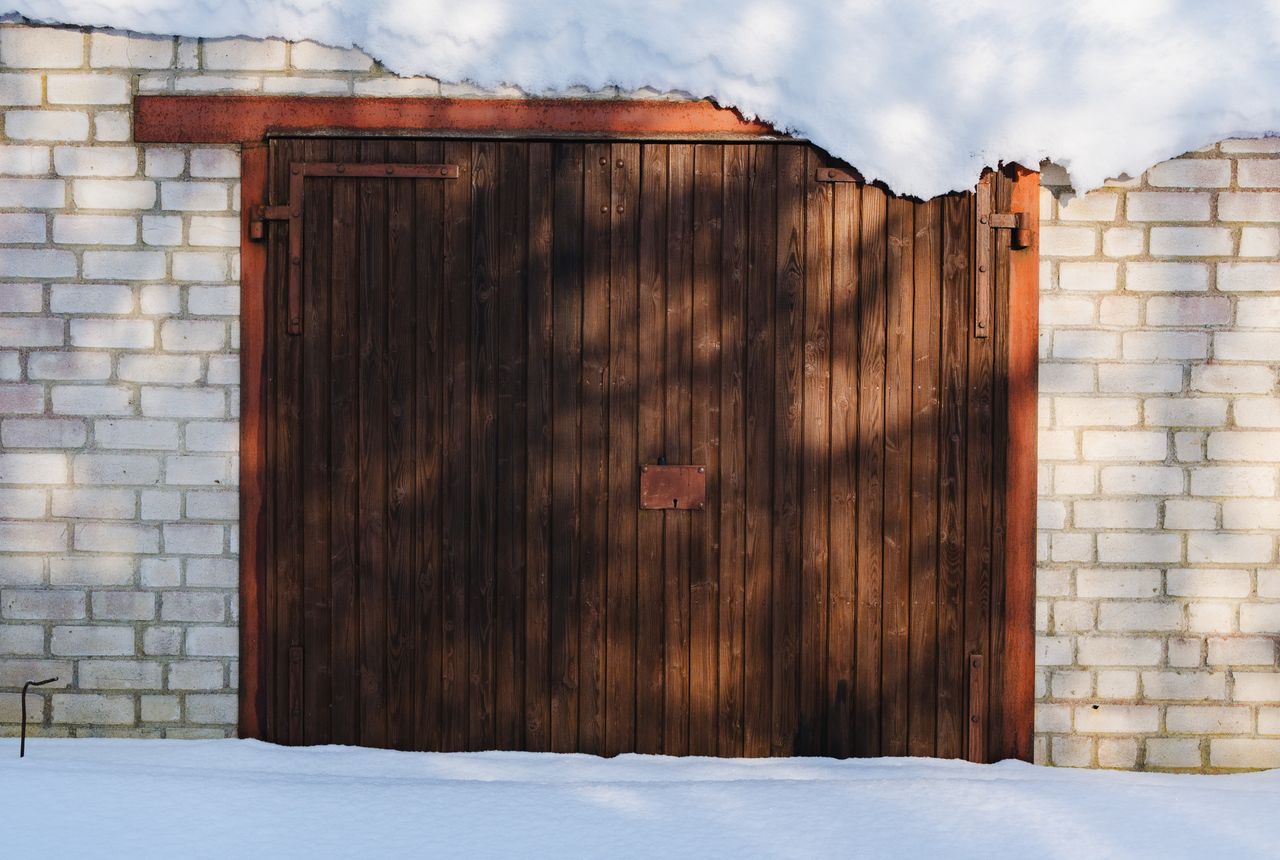
Most houses in this service area went up between 1967 and 2005, with the typical build year sitting around 1984, which puts a lot of original garage door hardware right at the end of its expected life. A torsion spring that came with a house built in the early 80s has been through four decades of temperature swings and daily cycles, and when it lets go, it's not a job for a socket set and a YouTube video - the spring is under enough tension to break a wrist or worse. Same goes for a bent track on a door that heavy, or a cable that's frayed down to a few strands.
Where we draw the line: if the door itself, the panels, and the opener are all original to a house from that era, patching one part often just moves the failure to the next part six months later. We'll tell you straight when a repair isn't worth it and replacement makes more sense, especially on a door old enough that we can't get matching panels anymore. That's the honest limitation here - some of these older panel widths and end-stile styles are out of production, and if only one panel is damaged, the fix might be a full door rather than a match.
Sherman sits in a cold-moderate climate band, not a place where garage door steel goes through the kind of extreme swings that crack panels outright, but enough freeze-thaw cycling in winter to matter for hardware that's already 30-plus years old. Cold makes steel torsion springs stiffer and grease inside the opener gearbox thicker, so a door that opened fine in October can start dragging or stalling partway up by January. That's not damage - that's the door telling you the lubricant and the spring tension are due for a look before it becomes damage.
On the other end, summer heat expands steel tracks slightly and can make an opener's limit settings drift, especially on units original to houses from the 1980s and 90s that never had their settings rechecked. Neither extreme here is severe enough to need special hardware, but it's enough that a door tuned once in 1985 and never touched again is going to show it eventually, usually as noise, a slow start, or an opener that runs longer than it used to before the door actually moves.
Across the 14 named areas we cover, the housing stock leans hardest toward 1980s and 90s construction, which means a specific generation of steel doors and chain-drive openers are all wearing out around the same time, not spread randomly across decades. When we get a call about a door that's suddenly noisy or slow, the first thing we check on a house from that build window is whether the original hardware is still in there un-replaced, because a lot of it is.
Our calls come from Sherman itself and the towns around it - Southmayd sits five miles out, Howe about eight, and Denison and Pottsboro both around ten, with Tom Bean, Bells, Sadler, Van Alstyne, Savoy, Whitewright, Whitesboro, Collinsville, Gunter, and Tioga stretching out further from there. That spread matters because it's the same era of house repeating across a wide area, not just a handful of streets in one neighborhood, so the same failure patterns show up call after call: original springs at end of life, openers that have never been serviced, and tracks that were installed before anyone thought to check them for square.
The cold-moderate band Sherman falls into doesn't bring the deep freezes that snap springs outright, but it does mean enough cold snaps each winter to thicken opener lubricant and stiffen torsion springs on doors that are decades old. On a house built in the 1970s or 80s with original hardware, that stiffness shows up as a door that hesitates at the start of its travel or an opener motor that strains before the door moves at all.
Humidity swings between seasons also matter more on older doors than newer ones, because wood-composite panels and steel skins from that build era weren't finished with the moisture barriers that are standard now. Panels can swell slightly in damp stretches and shrink back in dry ones, which over enough years works fasteners loose at the hinges and stile joints. None of this means the sky is falling - it means a door built before current insulation and moisture standards needs its hardware checked more often than a door built to today's code, and that's the honest difference between servicing an older Sherman-area house and a new build.
Not worried, but it's due. A door from that era is 35-plus years into a lifespan the original hardware was rated for, and if nobody's touched the spring tension or lubricated the track since it was installed, it's overdue for a look before something fails on its own timeline instead of yours.
Cold thickens the grease inside the gearbox and stiffens the torsion spring, so the motor has to work harder to get the door moving. It's normal seasonal behavior in this climate band, but if it's struggling badly, the spring tension may already be off and the cold is just exposing it.
Sometimes, but not always. A lot of panel widths and finishes from the 1970s through 90s aren't made anymore, so if we can't find a match, the honest options are a mismatched panel or replacing the full door. We'll tell you which makes more sense before you spend money.
Call now or request a free quote - same-day service on most repairs, upfront written pricing.